Unlocking the Secrets of Mood Stones: A Guide to Understanding Their Power
Introduction
Mood stones have captivated human imagination for centuries, serving as both decorative accessories and tools for emotional awareness. These fascinating gemstones, also known as mood rings or color-changing stones, have evolved from novelty items into respected wellness tools that many people incorporate into their daily lives. Whether you're a skeptic curious about the science behind them or a believer in their transformative power, understanding mood stones can provide valuable insights into the intersection of geology, psychology, and personal wellness.
The concept of mood stones operates on a simple yet intriguing premise: these stones change color in response to body temperature fluctuations, which are believed to correlate with emotional states. When you're calm and relaxed, your body temperature tends to be lower, causing the stone to display cooler colors like blue or green. Conversely, when you're stressed, anxious, or excited, your body temperature rises, and the stone shifts to warmer colors like yellow, orange, or red. This visible representation of internal emotional states has made mood stones increasingly popular among individuals seeking tangible ways to monitor and understand their emotional well-being.
In this comprehensive guide, we'll explore the multifaceted world of mood stones, examining their history, scientific foundations, various types, and practical applications. Whether you're considering purchasing your first mood stone or you're already an enthusiast looking to deepen your knowledge, this guide will provide you with the information you need to unlock the secrets of these remarkable gemstones.
The History and Evolution of Mood Stones
The story of mood stones is a fascinating journey that spans decades and reflects our evolving relationship with technology and self-awareness. While mood rings became a mainstream phenomenon in the 1970s, the concept of color-changing materials has a much longer history rooted in scientific discovery and innovation.
Early Scientific Discoveries
The foundation for mood stones was laid in the early twentieth century when scientists began experimenting with thermochromic materials—substances that change color in response to temperature variations. These early experiments were primarily conducted in laboratory settings and had little practical application for everyday consumers. However, the potential for these materials to be used in consumer products was recognized by forward-thinking innovators.
The breakthrough came in the 1970s when mood rings were introduced to the mass market. These rings featured a stone made from liquid crystals, a material that had been discovered decades earlier but had never been applied to jewelry in this way. The liquid crystals were encased in a glass or resin dome, allowing them to change color as body temperature fluctuated. The innovation was met with immediate enthusiasm, and mood rings quickly became a cultural phenomenon, particularly among young people and those interested in the emerging wellness movement.
The 1970s Boom and Cultural Impact
The 1970s represented the golden age of mood rings. During this era, these accessories became more than just novelty items; they became symbols of the counterculture movement and the growing interest in alternative spirituality and self-exploration. People wore mood rings not just for their aesthetic appeal but as tools for understanding themselves and others. The rings became conversation starters, with wearers and observers alike fascinated by the color changes and what they might reveal about emotional states.
During this period, mood stones were often accompanied by color interpretation charts that provided meanings for different hues. These charts became part of the cultural lexicon, with people learning to read the colors and interpret their emotional significance. The popularity of mood rings during the 1970s established them as legitimate wellness tools in the minds of many consumers, even as skeptics questioned their scientific validity.
Evolution and Modern Applications
As the decades progressed, mood stone technology continued to evolve. While the initial enthusiasm of the 1970s waned somewhat, mood stones never completely disappeared from the market. Instead, they experienced periodic revivals as new generations discovered their appeal and as manufacturers developed improved versions with better color accuracy and durability.
In recent years, mood stones have experienced a significant renaissance, driven by renewed interest in wellness, mindfulness, and alternative healing practices. Modern mood stones are often incorporated into various forms of jewelry beyond rings, including bracelets, necklaces, earrings, and even decorative home items. Additionally, contemporary mood stones often feature improved materials and construction methods that make them more durable and reliable than their 1970s predecessors.
The evolution of mood stones reflects broader cultural shifts toward self-awareness and emotional intelligence. As people increasingly recognize the importance of understanding and managing their emotions, mood stones have found renewed relevance as accessible tools for emotional monitoring and self-reflection.
The Science Behind Mood Stones
Understanding how mood stones work requires knowledge of thermochromic materials and the relationship between body temperature and emotional states. While the science is straightforward, it's important to distinguish between what mood stones actually do and the interpretations people place on their color changes.
Thermochromic Materials and Color-Changing Mechanisms
At the heart of every mood stone lies a thermochromic material, most commonly liquid crystals. Liquid crystals are substances that exist in a state between solid and liquid, possessing properties of both. What makes them particularly useful for mood stones is their ability to change color in response to temperature variations.
The mechanism works as follows: liquid crystals contain organic compounds that reflect light differently depending on their molecular arrangement. When temperature changes, the molecular structure of the liquid crystal shifts, altering how light is reflected and absorbed. This change in light reflection results in a visible color change. The process is entirely physical and reversible; as temperature returns to its original level, the liquid crystal returns to its previous color.
In a typical mood stone, the liquid crystals are sealed within a protective layer of glass or resin. This encapsulation serves multiple purposes: it protects the delicate liquid crystals from damage, it allows the color changes to be visible from the outside, and it ensures that the material remains stable and functional over time. The quality of this encapsulation significantly affects the longevity and reliability of the mood stone.
Body Temperature and Emotional States
The connection between body temperature and emotional states is well-established in scientific literature. When people experience stress, anxiety, or excitement, their sympathetic nervous system activates, triggering the release of hormones like adrenaline and cortisol. These hormonal changes cause blood vessels to constrict or dilate, affecting blood flow to the skin and, consequently, skin temperature.
Conversely, when people are relaxed, calm, or in a meditative state, their parasympathetic nervous system dominates, leading to lower stress hormone levels and typically lower skin temperature. This physiological response is measurable and consistent across individuals, making it a reliable indicator of emotional state.
However, it's important to note that body temperature fluctuations can result from many factors beyond emotional states. Physical activity, environmental temperature, caffeine consumption, hormonal cycles, and various health conditions can all affect skin temperature. This means that while mood stones can indicate temperature changes, they cannot definitively diagnose emotional states. A color change might indicate stress, but it could equally indicate that you've just finished exercising or consumed a hot beverage.
Limitations and Considerations
While the science of thermochromic materials is sound, it's crucial to understand the limitations of mood stones as emotional indicators. The relationship between temperature and emotion is not one-to-one; multiple factors influence body temperature, and emotional states are complex phenomena that cannot be reduced to a single physiological measure.
Additionally, the accuracy of mood stones depends on several variables, including the quality of the thermochromic material, the precision of the temperature range it responds to, and the consistency of the encapsulation. Lower-quality mood stones may display inconsistent color changes or fail to respond accurately to temperature variations. This is why purchasing mood stones from reputable manufacturers is important if you want reliable performance.
Furthermore, individual variations in baseline body temperature mean that the same color might indicate different emotional states for different people. Some individuals naturally run warmer or cooler than others, which can affect how their mood stones respond. Understanding your personal baseline is important for accurately interpreting your mood stone's color changes.
Types of Mood Stones and Their Characteristics
Mood stones come in various forms, each with its own unique characteristics, advantages, and applications. Understanding the different types can help you choose the mood stone that best suits your needs and preferences.
Liquid Crystal Mood Stones
Liquid crystal mood stones are the most common and widely available type. These stones use the thermochromic properties of liquid crystals to change color in response to temperature variations. They typically display a spectrum of colors ranging from black or dark blue at cooler temperatures to red or pink at warmer temperatures.
The advantages of liquid crystal mood stones include their reliability, relatively low cost, and the wide range of colors they can display. They respond quickly to temperature changes and return to their original color when temperature decreases. However, they can be sensitive to extreme temperatures and may lose their color-changing properties if exposed to very high heat or prolonged sunlight.
Liquid crystal mood stones are available in various sizes and can be incorporated into different types of jewelry. They're also used in decorative items like mood stone bracelets, necklaces, and even home décor pieces.
Natural Gemstone Mood Stones
Some manufacturers and practitioners use natural gemstones that are believed to have mood-related properties, even though these stones don't change color in response to temperature. Instead, they're associated with specific emotional or spiritual properties based on traditional beliefs and crystal healing practices.
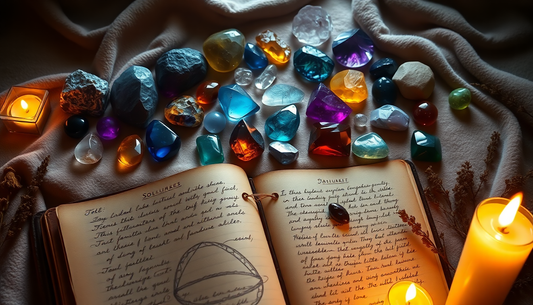
Common natural gemstones used as mood stones include amethyst (associated with calm and clarity), rose quartz (associated with love and compassion), and citrine (associated with positivity and energy). While these stones don't change color, many people find value in their symbolic properties and use them as focal points for meditation and intention-setting.
The advantage of natural gemstone mood stones is their aesthetic beauty and the rich traditions associated with them. However, they don't provide the visual feedback of color changes that traditional mood stones offer, so they function more as symbolic tools than as actual mood indicators.
Synthetic and Lab-Created Mood Stones
Advances in technology have led to the development of synthetic mood stones that offer improved performance compared to traditional liquid crystal versions. These lab-created stones often feature more stable thermochromic materials and better encapsulation techniques, resulting in longer-lasting color changes and more accurate temperature response.
Synthetic mood stones may also incorporate additional features, such as multiple color ranges or enhanced durability. Some modern versions use advanced polymers or other thermochromic compounds that offer better performance than traditional liquid crystals.
Mood Stone Jewelry Variations
Mood stones are incorporated into various types of jewelry, each offering different aesthetic and practical benefits. Mood rings remain the most popular form, but mood stone bracelets, necklaces, earrings, and even body jewelry are increasingly available. Each form offers unique advantages depending on how you want to wear and interact with your mood stone.
Mood stone bracelets, for example, offer the advantage of being less likely to be removed during daily activities, potentially providing more consistent emotional monitoring. Necklaces place the mood stone closer to the heart, which some people believe enhances its effectiveness. Earrings and other forms offer aesthetic variety while maintaining the mood stone's functionality.
The Spiritual and Metaphysical Perspective
While the scientific explanation of mood stones focuses on thermochromic materials and body temperature, many people approach mood stones from a spiritual or metaphysical perspective. Understanding this viewpoint is important for appreciating the full range of ways people use and value mood stones.
Energy and Vibration Beliefs
In metaphysical traditions, mood stones are often believed to interact with personal energy fields or auras. According to these beliefs, different colors correspond to different energy frequencies and emotional states. When a mood stone changes color, it's seen not merely as a response to temperature but as a reflection of shifts in personal energy or spiritual state.
Practitioners of crystal healing and energy work often use mood stones as tools for understanding and balancing their energy. They may meditate with mood stones, carry them for emotional support, or use them in healing practices. From this perspective, the mood stone serves as a bridge between the physical and spiritual realms, making invisible emotional and energetic states visible.
Color Symbolism and Interpretation
The metaphysical interpretation of mood stone colors varies among different traditions and practitioners, but certain color associations are widely recognized. Understanding these associations can enhance your experience with mood stones, whether you approach them from a scientific or spiritual perspective.
Black or dark blue typically represents calm, peace, and relaxation. These colors appear when body temperature is lowest, usually when the person is relaxed or in a meditative state. Green is often associated with balance, healing, and emotional stability. Blue represents tranquility, communication, and clarity. Yellow and orange are associated with happiness, creativity, and social energy. Red and pink represent passion, excitement, stress, or strong emotional intensity.
Understanding these color associations can help you develop a personal relationship with your mood stone and use it as a tool for self-reflection and emotional awareness.
Chakra Alignment and Energy Healing
In chakra-based systems, mood stones are sometimes used to support alignment and balance of the body's energy centers. Different colored mood stones are associated with different chakras, and practitioners may use them to support healing or balance in specific areas of their lives.
For example, a green mood stone might be used to support heart chakra healing and emotional balance, while a blue mood stone might support throat chakra expression and communication. This application of mood stones combines the physical color-changing properties with spiritual intention-setting, creating a multifaceted tool for personal development.
Practical Applications and Uses of Mood Stones
Beyond their spiritual significance, mood stones have numerous practical applications in daily life. Understanding these applications can help you integrate mood stones into your wellness routine in meaningful ways.
Emotional Awareness and Self-Monitoring
One of the most straightforward applications of mood stones is using them as tools for emotional awareness. By observing your mood stone's color changes throughout the day, you can develop greater awareness of your emotional patterns and triggers. Over time, you may notice that certain situations, people, or activities consistently produce specific color changes, providing valuable insights into your emotional responses.
This practice of emotional monitoring can be particularly valuable for people working on emotional regulation or those interested in developing greater emotional intelligence. By making your emotional states visible through the mood stone's color changes, you create opportunities for reflection and intentional response rather than automatic reaction.
Stress Management and Relaxation
Mood stones can serve as helpful tools in stress management and relaxation practices. Many people find that watching their mood stone change from warm colors to cool colors as they relax provides positive reinforcement for their relaxation efforts. This visual feedback can enhance the effectiveness of meditation, deep breathing, or other relaxation techniques.
Additionally, the act of checking your mood stone can serve as a mindfulness prompt, reminding you to pause and assess your current emotional state. This regular check-in can help you catch stress early before it escalates, allowing you to implement coping strategies more effectively.
Meditation and Mindfulness Practices
Mood stones can enhance meditation and mindfulness practices by providing a focal point for attention. Holding a mood stone while meditating or using it as a visual anchor can deepen your practice and help maintain focus. Some practitioners use mood stone color changes as feedback for the depth of their meditative state, with cooler colors indicating deeper relaxation.
The tactile sensation of holding a mood stone can also enhance grounding and present-moment awareness, making it a valuable tool for mindfulness practice.
Relationship and Communication Tools
Some couples and families use mood stones as communication tools. By observing each other's mood stones, people can gain insights into their loved ones' emotional states without requiring verbal communication. This can be particularly valuable in situations where direct communication might be difficult or when you want to check in with someone without intruding.
However, it's important to remember that mood stones are not definitive emotional indicators and should not replace direct communication. They're best used as supplements to, rather than substitutes for, open and honest dialogue.
Personal Development and Goal Setting
Mood stones can support personal development work by helping you track emotional patterns related to specific goals or challenges. For example, if you're working on building confidence, you might notice that your mood stone displays warmer colors when you're in situations that challenge you. Over time, you might observe that these warm colors appear less frequently as your confidence grows, providing tangible evidence of your progress.
Similarly, mood stones can support goal-setting by helping you identify the emotional states associated with your most productive or creative periods. By recognizing these patterns, you can intentionally cultivate the conditions that support your best work.
Choosing and Caring for Your Mood Stone
If you've decided to incorporate a mood stone into your life, understanding how to choose a quality stone and care for it properly is essential for ensuring its longevity and effectiveness.
Selecting a Quality Mood Stone
When choosing a mood stone, several factors should influence your decision. First, consider the source and reputation of the manufacturer. Reputable manufacturers use high-quality thermochromic materials and proper encapsulation techniques, resulting in stones that are more reliable and durable.
Examine the mood stone carefully before purchasing. The color-changing material should be evenly distributed, and there should be no visible cracks, bubbles, or imperfections in the encapsulation. If possible, test the mood stone by holding it in your hand for a few minutes to see if it changes color in response to your body heat.
Consider the size and style of the mood stone. Larger stones may display color changes more dramatically, while smaller stones offer greater portability and discretion. Think about how you plan to use the mood stone and choose a style that fits your lifestyle and aesthetic preferences.
The color range is another important consideration. Different mood stones may display different color spectrums. Some display a full rainbow of colors, while others focus on specific color ranges. Choose a mood stone whose color range resonates with you and provides the visual feedback you're seeking.
Proper Care and Maintenance
To ensure your mood stone remains functional and beautiful for years to come, proper care and maintenance are essential. Avoid exposing your mood stone to extreme